Understanding dota 2 universal heroes
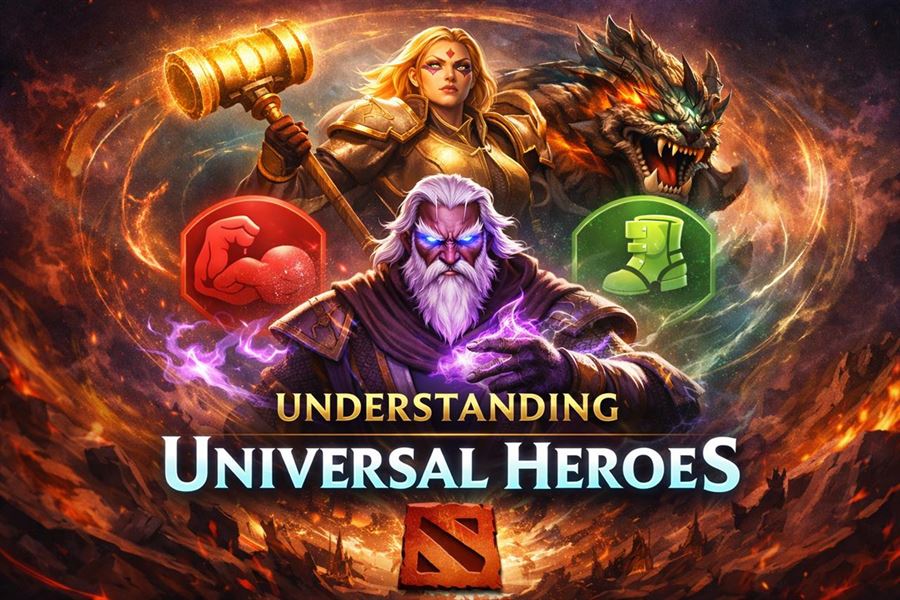
Dota 2, Valve’s iconic multiplayer online battle arena (MOBA) game, has continued to evolve over the years. One significant gameplay innovation came with the introduction of attribute-based hero categories such as Strength, Agility, and Intelligence. However, a new category - Dota 2 Universal Heroes - has reshaped the landscape by offering unmatched versatility and dynamic playstyles.
What Are Universal Heroes?
Universal Heroes are a relatively new addition to the Dota 2 hero classification system. Unlike heroes that scale their damage based on a single primary attribute, Universal Heroes gain damage from all three attributes - Strength, Agility, and Intelligence - in equal measure. This unique design allows for a higher level of customization and flexibility when it comes to item builds, laning choices, and team roles.
How Damage Scaling Works
For most heroes in Dota 2, only one attribute contributes to their base damage output. For example, Agility heroes gain attack damage from Agility stats. Universal Heroes change this convention by incorporating all attributes equally.
- 1 point in Strength = +0.6 damage
- 1 point in Agility = +0.6 damage
- 1 point in Intelligence = +0.6 damage
This means that every attribute item benefits a Universal Hero’s damage. This makes them extremely resource-efficient and adaptable to numerous gameplay scenarios.
Gameplay Impact of Universal Heroes
Flexible Item Builds
Because all attributes contribute to their damage, Universal Heroes offer players the freedom to experiment with various item paths. For instance, utility-based Intelligence items like Eul’s Scepter of Divinity or durability-centric Strength items like Heart of Tarrasque not only add tremendous value to their statistics but also boost damage output.
Versatile Role Assignments
Another key advantage of Universal Heroes is their potential to fit into multiple team roles. Whether it’s offlane, support, mid-lane, or carry, these heroes adapt to various needs. Their ability to scale with any attribute means they are no longer pigeonholed into traditional roles based on dominant stats.
Examples of Role Flexibility:
- Bounty Hunter: Can be played as a core or roaming support due to his scaling and utility.
- Void Spirit: Functions well as both a mid-lane nuker and an offlane initiator.
- Windranger: Shifts between support and carry roles, leveraging speed and damage from all stats.
Strategic Considerations
Drafting Advantages
Picking a Universal Hero during the drafting phase can keep opponents guessing. Their adaptability makes it difficult for enemies to predict lane setups or counter-pick effectively. For example, a hero like Puck may appear to be a utility mid-laner but can be adjusted into an offlane role or even a support if needed.
Synergy with Stat Items
Universal Heroes synergize exceptionally well with items that grant multiple stats. Items like Sange and Yasha, Kaya and Sange, and Bloodthorn become extraordinarily efficient. This opens up new avenues for hybrid builds that were traditionally considered inefficient for other hero types.
Conclusion
The introduction of Universal Heroes in Dota 2 has added a compelling layer of depth to gameplay strategy. By drawing strength from all core attributes equally, these heroes challenge players to think creatively and adaptively. As the game continues to grow, Universal Heroes offer a fresh approach to experimentation, making them favorites in both casual and competitive scenes.
To explore the full list of current Universal Heroes and learn strategies for each, visit the Dota 2 Universal Heroes page.